
What is a BNO, and Why Might Their Infrastructure Need Upgrading?
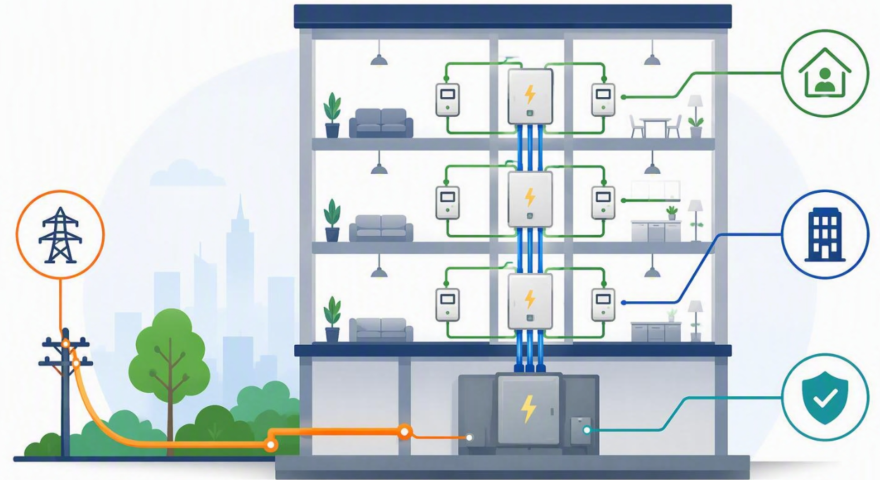
Multiple-occupancy buildings carry a layer of electrical infrastructure that sits outside the distributor’s network but still serves multiple households or businesses. Responsibility for it is often unclear since the introduction of the terms DNO and BNO (Distribution Network Operator and Building Network Operator) and in many buildings, it has gone decades without meaningful assessment. As occupancy patterns change and electrical loads rise that, often aging, infrastructure comes under pressure it was never designed to carry.
At BSEFM, we deliver design, assessment and upgrade solutions that keep the infrastructure building network operator’s own safe, compliant and capable of meeting current demand.
Understanding the BNO Role
A Building Network Operator https://www.bsefm.com/our-services/building-network-operator (BNO) is the entity responsible for the electrical distribution infrastructure within a multiple-occupancy building. This covers everything between the Distribution Network Operator’s (DNO’s) service head and the final distribution boards or consumer units serving individual premises. The DNO handles supply up to the service head. Beyond that point, ownership sits with the BNO.
In most cases the BNO is the building owner, landlord, developer or building management company. The role carries responsibility for ensuring installations are:
- Safe for occupants and maintenance personnel
- Compliant with current regulations
- Correctly labelled and identifiable
- Fit for the building’s actual demand
Buildings That Require a BNO
BNO responsibilities typically arise in:
- Residential blocks and converted houses
- Mixed-use buildings with commercial and residential floors
- Sub-divided commercial properties and shared office space
- Retail units within a single distribution network
In all cases the remit extends to communal and landlord areas of the building.
Why BNO Installations Need Upgrading
As buildings age, or as usage and occupancy change, demands on the network increase. Upgrades are commonly driven by:
- Aged installations that are non-maintainable or non-compliant, or have deteriorated such that they are no longer safe
- Additions such as EV charging points placing strain on existing LV infrastructure
- Solar PV and other renewables requiring network integration
- Increased consumption from conversions or high-demand equipment
- Compliance with the latest BS 7671 regulations
- Changes of use
Left unaddressed, these pressures reduce capacity, complicate or inhibit maintenance and increase the risk of failure in circuits serving multiple occupants.
The Engineering Approach
BNO upgrades require design work before installation begins, particularly where the intake position is being altered or additional load is being introduced. Our electrical design services cover:
- Assessment of the existing network and its capacity
- Identification of areas requiring upgrade or reconfiguration
- Designs developed to current BS 7671 standards
- Future-proofing for anticipated load growth
- Coordination with the DNO where the service head is affected
- Collaboration with contractors through the installation
Delivering Safe, Compliant Building Networks
The electrical infrastructure in a multiple-occupancy building serves every occupant within it, and its condition affects the safety and reliability of the whole property. At BSEFM we combine electrical design expertise with practical delivery experience to bring building networks up to current standards and prepare them for future demand. In shared infrastructure, compliance isn’t a formality, it’s what keeps the building operating safely.
To discuss a project with our engineering team, please email mail@bsefm.com or call 0207 953 4047.
Talk to Our Expert Team
If you would like to learn more about the range of services we offer, please get in touch for an informal discussion about your needs and requirements.